您好,欢迎来到蓝天塑料制品有限公司官方网站

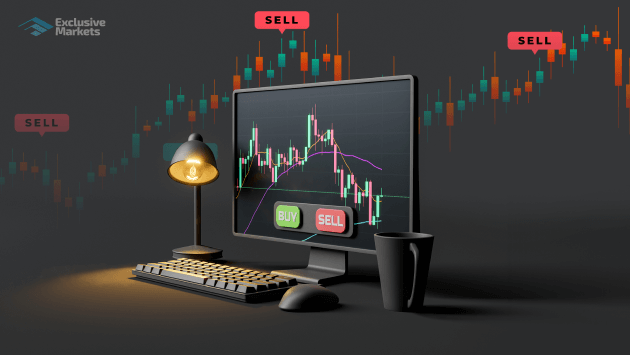
The Ultimate Guide to Forex Trading in the Foreign Exchange Market
Forex trading, a vast and dynamic arena, embodies the exchange of one currency for another at established prices. The foreign exchange market, often referred to as Forex or FX, operates 24 hours a day, five days a week, allowing traders from various parts of the world to participate in the global financial stage. Whether you are a novice trader seeking knowledge or an experienced investor refining your strategy, understanding the intricacies of this market is paramount. To get started on your Forex journey, you can explore resources like forex trading foreign exchange market https://trading-asia.com/.
What is Forex Trading?
At its core, forex trading is the act of buying one currency while simultaneously selling another. This exchange occurs in a decentralized marketplace, known as the Forex market, where participants—including banks, financial institutions, corporations, and individual traders—come together to facilitate transactions.
The Structure of the Forex Market
The forex market is unique due to its decentralized nature. Unlike stock markets, where transactions occur on centralized exchanges, forex trades happen over the counter (OTC), meaning that all trading is conducted electronically through networks of banks and brokers. The market can be segmented into three significant trading sessions: Asia, Europe, and North America, leading to a continuous cycle of trading throughout the day.
Major Currency Pairs
In Forex trading, currency pairs are classified into several categories. The most traded pairs are known as the majors, which include:
- EUR/USD (Euro/US Dollar)
- USD/JPY (US Dollar/Japanese Yen)
- GBP/USD (British Pound/US Dollar)
- USD/CHF (US Dollar/Swiss Franc)
Understanding these pairs and their interrelations is crucial for any aspiring trader because they usually experience the highest liquidity and the lowest spreads.
Understanding Forex Quotes
A forex quote indicates how much one currency is worth in relation to another, with two components: the base currency and the quote currency. For instance, in the currency pair EUR/USD, EUR is the base currency and USD is the quote currency. If the quote reads 1.25, it means that 1 Euro is equivalent to 1.25 US Dollars.
Forex Trading Strategies
To navigate the forex market effectively, traders employ various strategies based on their risk tolerance, market conditions, and investment goals. Some common strategies include:
1. Day Trading
This technique involves executing trades within a single day to capitalize on small price movements. Day traders close their positions before the market closes to avoid overnight risks.
2. Swing Trading

Swing traders hold positions for several days or weeks to profit from expected price shifts. This approach requires a good understanding of technical analysis.
3. Scalping
Scalpers look to make numerous small profits throughout the day, typically holding positions for just a few minutes. This strategy demands quick decision-making and thorough market analysis.
Technical Analysis
Most Forex traders rely on technical analysis to make informed decisions. This involves studying price charts and indicators to identify patterns and predict future movements. Some popular tools include:
- Moving Averages
- Relative Strength Index (RSI)
- Bollinger Bands
- Fibonacci Retracement Levels
Fundamental Analysis
While technical analysis is vital, understanding economic indicators and geopolitical events is equally essential. Fundamental analysis involves analyzing economic data, news events, and reports that might affect currency values. Key indicators include:
- Interest Rates
- Inflation Rates
- Employment Figures
- GDP Growth Rates
Risk Management
Proper risk management is paramount in Forex trading. Even experienced traders face the possibility of losing money, so implementing risk management strategies is crucial. Some key strategies include:
- Setting Stop-Loss Orders: This automatically closes a trade at a predetermined price to limit potential losses.
- Position Sizing: Determining how much capital to risk on a single trade based on your total account balance.
- Diversifying Trades: Avoiding the concentration of risk by spreading investments across various currency pairs.
The Psychology of Trading
The mental aspect of trading is often underestimated. Maintaining discipline, managing emotions, and sticking to your trading plan are fundamental traits of successful traders. Emotional trading can lead to impulsive decisions, resulting in significant losses.
Choosing a Forex Broker
Selecting the right broker is crucial to your success in the forex market. Consider the following factors when making your choice:
- Regulation: Ensure the broker is regulated by a reputable authority.
- Trading Platforms: Look for user-friendly platforms with essential trading tools.
- Spreads and Fees: Compare the costs associated with trading, including spreads and commissions.
- Customer Support: A reliable broker should offer responsive customer service to assist with any inquiries.
Conclusion
The foreign exchange market represents immense opportunities for traders willing to commit time and resources to understand its complexities. Forex trading is not merely about profit; it also requires ongoing education, meticulous planning, and disciplined risk management. Whether you are just starting or looking to refine your skills, the knowledge gained through careful study will be instrumental in your trading journey. Embrace the learning curve, and you may find forex trading to be one of the most rewarding endeavors within the financial world.